November 6, 2026
Preventing falls is an important part of helping older adults maintain their safety, confidence, and independence. While falls can happen for many reasons, simple changes to everyday routines and living spaces can help reduce common risks. Understanding potential hazards, knowing when to ask for assistance, and working together can make a meaningful difference.
At Arrow Senior Living, I believe some of the biggest fall hazards are the little things we stop noticing because we see them every day. A throw rug, an electrical cord, or even a blanket hanging off a chair may seem harmless until someone trips over it.
As Arrow Wellness Director, I encourage residents, families, and team members to pay attention to these everyday details while remembering that a safer apartment should still feel like home.
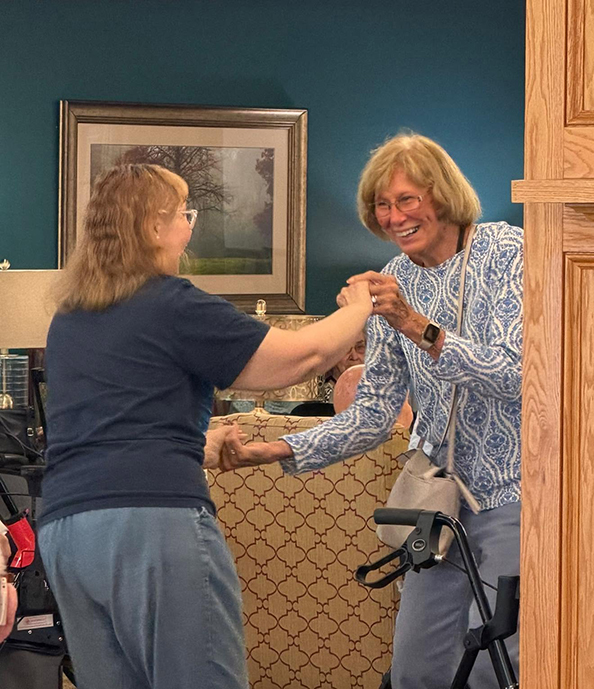
Common fall hazards include cluttered walkways, furniture placed too close together, poor lighting, and slippery floors. Items stored too high or too low can also create risks when residents have to stretch, bend, or reach to retrieve them.
Even loose shoes or slippers can affect someone’s stability.
I encourage residents and families to take a fresh look at their apartments. Are walking paths clear? Are frequently used items easy to reach? Is there enough space to move comfortably with a walker or cane?
Removing unnecessary clutter, securing or removing loose rugs, and keeping sturdy footwear nearby can make a meaningful difference.
Bathrooms deserve extra attention, too. Grab bars, appropriate nonslip surfaces, adequate lighting, and dry floors can help make everyday routines safer.
However, I believe the most important part of making these changes is involving the resident in the conversation.
Families know their loved one’s habits. Team members may notice changes in walking, strength, or balance. Residents themselves know when something simply does not feel the same.
All three perspectives matter.
If a family member notices Mom suddenly holding onto furniture while walking, they should tell the team. If a team member notices Dad struggling to get out of his favorite chair, that concern should be shared with the family.
But rather than walking into someone’s apartment and immediately deciding what needs to change, I encourage everyone to ask a simple question:
“What would make moving around your apartment easier for you?”
That conversation helps us identify practical solutions while respecting the resident’s preferences and independence.
One of the best fall-prevention habits residents can develop is simply not rushing.
When getting out of bed in the morning, sit on the edge for a few moments before standing. After rising from a chair, pause again before beginning to walk.
Taking time to recognize whether you feel steady can help prevent unnecessary risks.
Using mobility devices consistently is another important habit. If a walker or cane has been recommended, it should be used every time, even when traveling only a few feet.
I also encourage residents to wear properly fitting shoes with slip-resistant soles, eat regularly, and stay hydrated according to their healthcare provider’s recommendations.
Glasses and hearing aids should be readily available when needed, too.
And turn the light on.
It sounds almost too simple, but we all do it. We think, “I know where I’m going. I’m only going to the bathroom.”
That is exactly when we should take a moment to turn on the light.
I also remind residents to pay attention to changes in how they feel.
If someone suddenly becomes dizzy, weak, or unsteady, they should stop moving, sit down safely if possible, and call for assistance.
Do not try to push through the symptoms simply because your destination is only a few steps away.
Changes in balance, strength, vision, or mobility can happen for many reasons, including illness, dehydration, medications, or blood pressure changes.
Speaking up early gives the Wellness team an opportunity to assess the concern and determine whether additional medical evaluation or support is needed.
Needing a little more help today does not mean someone has lost their independence. Sometimes, asking for help is exactly what allows them to keep it.
My simplest fall-prevention tip is “Stop Before You Step.”
Every time you stand up, pause for a few seconds before taking your first step. Make sure you feel steady, your mobility device is within reach, and your path is clear.
That tiny pause can become one of the easiest safety habits to build.
At Arrow Senior Living, fall prevention is about more than removing hazards. It is about listening to residents, recognizing changing needs, and helping people continue living with confidence.
Sometimes, the smallest adjustments make the biggest difference in protecting independence.
Saint Charles, Missouri-based Arrow Senior Living manages a portfolio of communities that offer varying levels of care, including independent living, assisted living, and memory care. Each and every senior living community supports residents by focusing on dignity, respect, and quality of life. The programs and amenities offered are selected to provide only the highest standard of quality and comfort.
Find an Arrow community near you
Work at Arrow Senior Living

Arrow Senior Living Management serves and employs individuals of all faiths, regardless of race, color, gender, sexual orientation, national origin, age or handicap, except as limited by state and federal law.